Imagine walking into your home after a long day, and the lights adjust automatically, the temperature feels perfect, your favorite playlist begins playing, and your security system confirms everything is safe. Not long ago, this sounded futuristic. Today, however, it is everyday reality. Smart home technology has moved far beyond luxury status and has become a practical solution for comfort, safety, and energy efficiency.
In 2026, smart home automation is powered by artificial intelligence, advanced IoT sensors, and faster wireless connectivity. As a result, devices no longer function in isolation. Instead, they communicate seamlessly to create a fully integrated ecosystem. According to recent industry research, the global smart home market is expected to exceed $200 billion in the coming years. Moreover, adoption rates continue to rise as homeowners prioritize convenience, sustainability, and protection.
At the same time, rising energy costs and growing security concerns are accelerating demand. For instance, smart thermostats can reduce heating and cooling expenses significantly, while AI-powered security systems help deter crime and improve response times. In addition, easier installation and falling hardware prices have made smart home devices more accessible than ever before.
Furthermore, modern automation platforms now integrate lighting, climate control, surveillance, and entertainment into a single unified system. Consequently, homeowners enjoy greater efficiency and a smoother user experience. As environmental awareness increases, energy-efficient smart homes are also contributing to reduced carbon footprints.
In the following sections, Savings24x7 will explore the top 10 smart home technologies transforming modern living in 2026 and explain why intelligent home automation is quickly becoming essential rather than optional.
Why Smart Home Automation Is Growing Rapidly
Smart home automation is expanding due to convenience, security concerns, and rising energy costs. Consumers want connected home systems that are easy to control and highly efficient. AI-powered smart home devices now learn user behavior and automate tasks accordingly.
Faster internet speeds and better wireless standards have improved reliability. Integration between devices has also become simpler. As prices fall and compatibility improves, more people are building smart home ecosystems. This growth is expected to continue throughout 2026 and beyond.
1. AI-Powered Smart Assistants
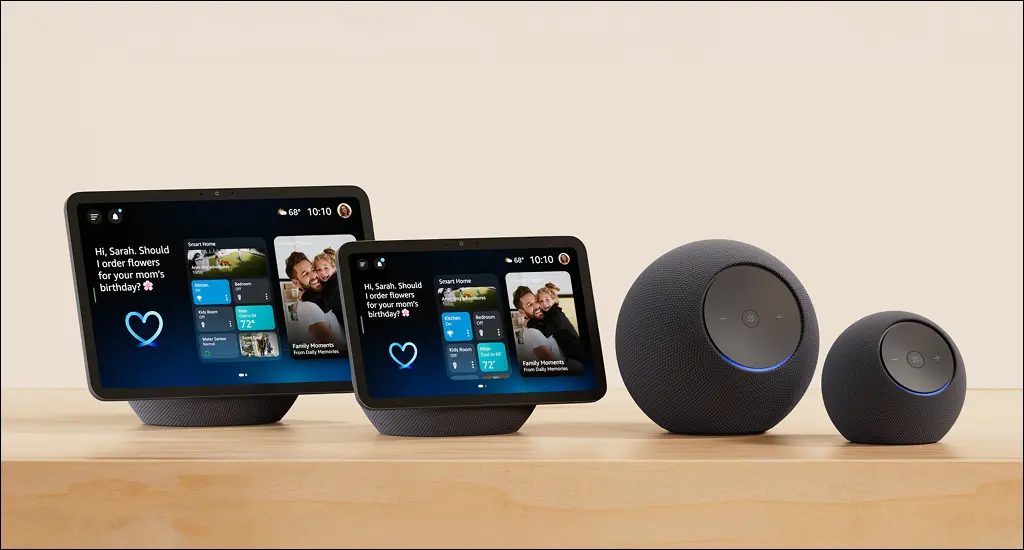
AI-powered smart assistants serve as the command center of modern smart homes. These systems use natural language processing and machine learning to understand voice commands and automate daily routines. They connect lighting, thermostats, cameras, locks, and entertainment systems into one intelligent ecosystem.
The biggest benefit to humankind is convenience combined with accessibility. Elderly individuals and people with disabilities can control their environment without physical effort. Busy families save time by automating repetitive tasks. AI assistants also improve energy efficiency by learning usage patterns and optimizing device schedules.
Popular products available in the market include Amazon Echo (5th Gen), Google Nest Hub (2nd Gen), and Apple HomePod (2nd generation). These devices support voice ecosystems like Alexa, Google Assistant, and Siri. They integrate with thousands of smart home devices.
As AI improves, assistants are becoming more conversational and predictive. They can suggest reminders, manage schedules, and even detect unusual activity. Their growing intelligence and expanding compatibility make them the backbone of intelligent home automation.
2. Smart Security Systems
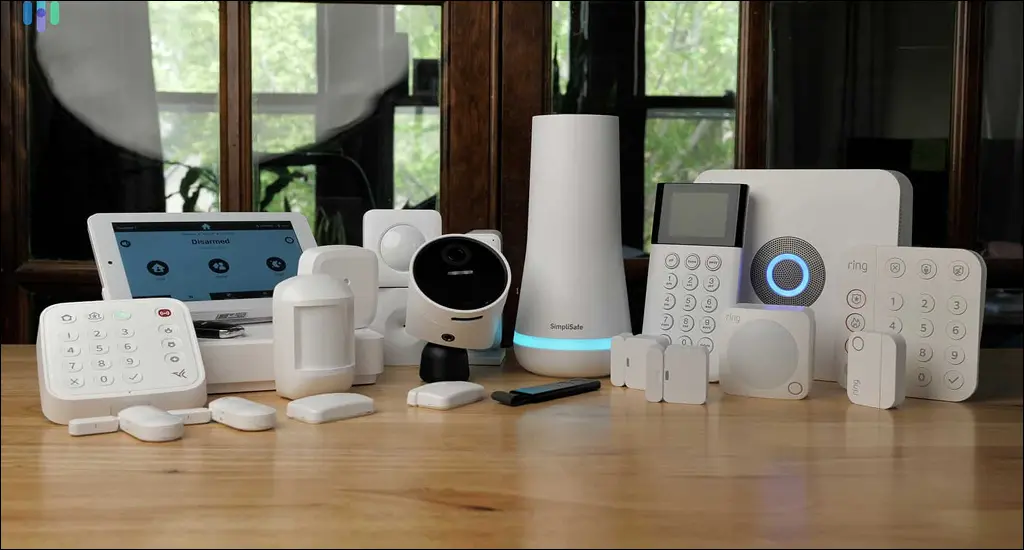
Smart security systems combine AI-powered cameras, smart doorbells, motion detectors, and cloud storage into one connected protection network. These systems allow homeowners to monitor their property in real time through smartphones or tablets, whether they are at work or traveling abroad. With 24/7 connectivity, security is no longer limited to physical presence.
The greatest benefit to humankind is increased safety and crime prevention. AI-driven detection reduces false alarms by distinguishing between people, animals, vehicles, and background motion. Real-time alerts enable faster emergency responses. Families gain peace of mind knowing their homes are constantly monitored. In many neighborhoods, visible smart cameras act as a deterrent to theft and vandalism.
Popular products available in the market include the Ring Video Doorbell Pro 2, the Arlo Pro 5S, and the Google Nest Cam (battery). These devices offer HD video, two-way audio communication, night vision, and AI motion detection.
Insurance providers increasingly offer discounts for homes equipped with smart security systems. As hardware becomes more affordable and AI accuracy improves, smart security is quickly becoming a standard feature in modern connected homes worldwide.
3. Smart Thermostats
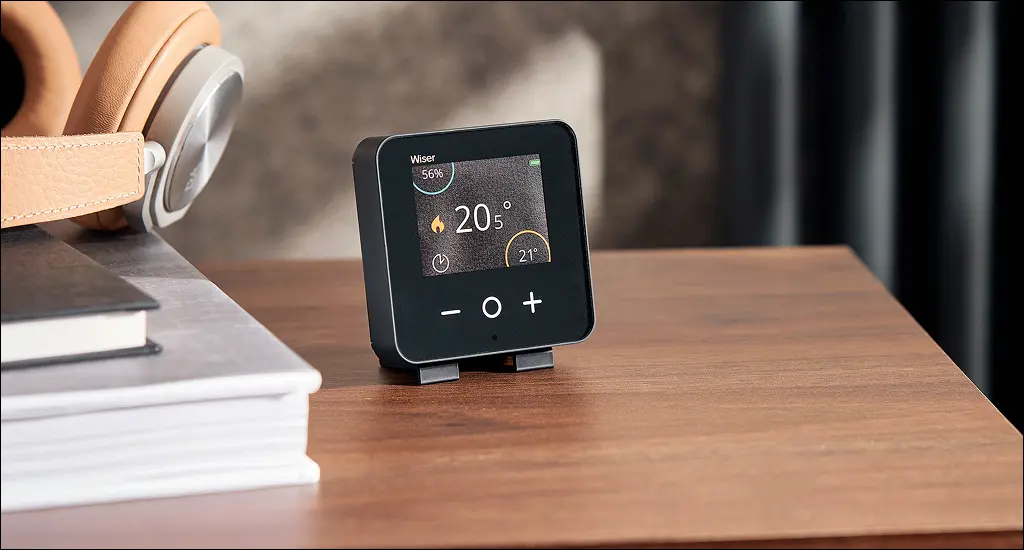
Smart thermostats automatically regulate heating and cooling based on occupancy, time of day, and local weather data. Using artificial intelligence, these systems learn household routines and adjust temperature settings to maximize comfort and efficiency without constant manual input.
The most significant benefit is energy savings. Heating and cooling account for a major portion of residential energy consumption. Smart thermostats reduce unnecessary usage by lowering output when homes are empty. This results in lower monthly electricity bills and reduced carbon emissions. By improving energy efficiency, these devices contribute to global sustainability efforts.
Well-known products in this category include the Google Nest Learning Thermostat (3rd Gen), the ecobee Smart Thermostat Premium, and the Honeywell Home T9. These models provide remote app control, voice assistant integration, energy usage reports, and room-based smart sensors.
Users can monitor energy consumption trends and receive suggestions for further savings. As energy prices continue rising globally, demand for energy-efficient smart home devices is increasing. Smart thermostats offer a balanced combination of comfort, cost reduction, and environmental responsibility, making them one of the most practical smart home investments.
4. Smart Lighting Systems
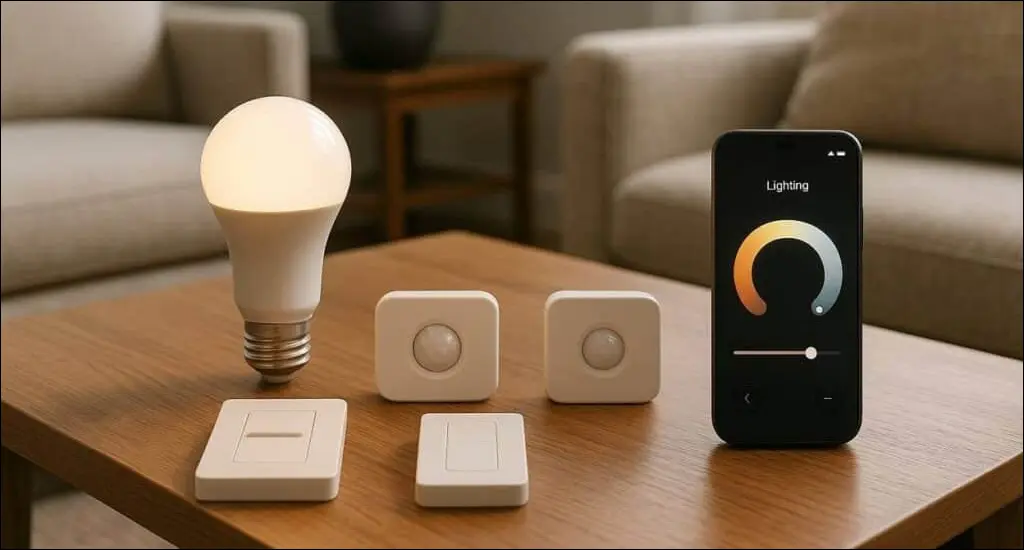
Smart lighting systems allow homeowners to control brightness, color temperature, and schedules using smartphone apps or voice assistants. Unlike traditional bulbs, smart lighting adapts to user preferences and daily routines. Automation enables lights to turn on or off based on motion, time, or environmental conditions.
The benefit to society extends beyond convenience. LED-based smart bulbs consume significantly less electricity than conventional lighting. Automated shut-off reduces energy waste in unoccupied rooms. Circadian lighting technology adjusts color temperature throughout the day to support natural sleep cycles and productivity. This contributes to better health and overall well-being.
Popular products include the Philips Hue White and Color Ambiance, the LIFX Color A19, and the TP-Link Kasa Smart Light Bulb. These systems integrate seamlessly with Alexa and Google Assistant for voice control.
Smart lighting also enhances home security by simulating occupancy during travel. Scene customization supports entertainment experiences by adjusting lighting for movies or gatherings. With affordable pricing and simple installation, smart lighting remains one of the most accessible and popular smart home upgrades worldwide.
5. Smart Locks and Access Control
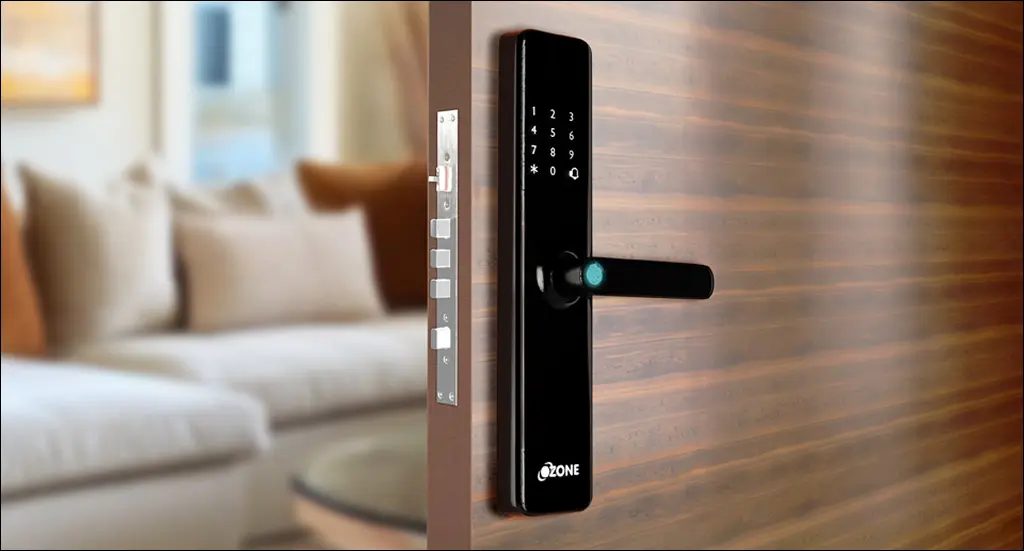
Smart locks replace traditional mechanical keys with digital entry methods such as PIN codes, fingerprint recognition, and smartphone-based authentication. These systems allow homeowners to lock and unlock doors remotely while maintaining complete control over access permissions.
The primary benefit is improved security and flexibility. Lost or duplicated keys are no longer a concern. Temporary digital access can be granted to guests, service providers, or delivery personnel. This improves convenience for families and enhances efficiency for rental property owners. Real-time notifications alert homeowners whenever doors are accessed.
Popular options available in the market include the August Wi-Fi Smart Lock, the Yale Assure Lock 2, and the Schlage Encode Plus. These models support remote control, biometric access, and integration with voice assistants.
Smart locks also integrate with security cameras and alarm systems for layered protection. As urban living expands and short-term rentals grow in popularity, smart access control systems are becoming essential. They combine modern convenience with enhanced safety, making them a crucial component of today’s smart home ecosystems.
6. Smart Appliances
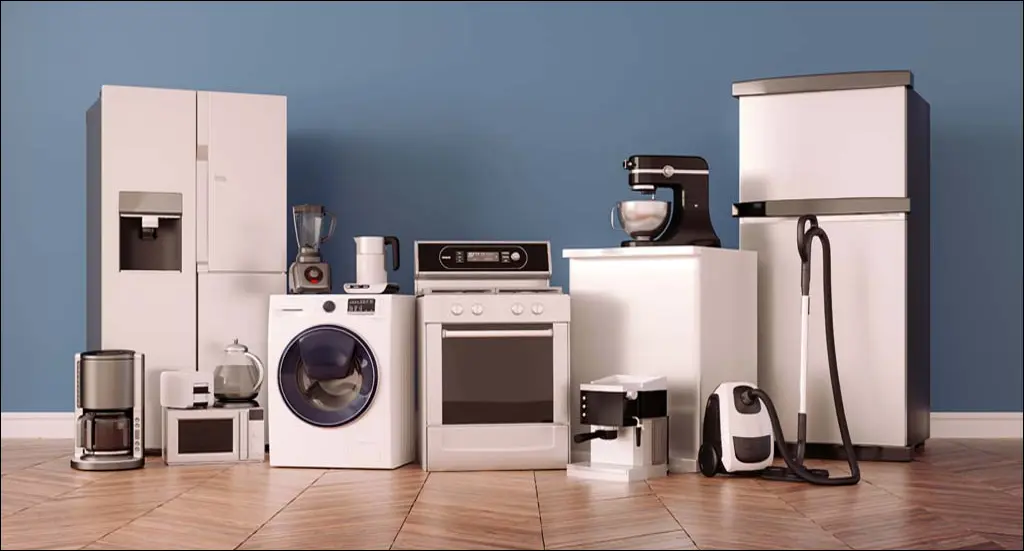
Smart appliances represent the next evolution of everyday household equipment. These internet-connected devices bring automation, intelligence, and efficiency to kitchens and laundry rooms. Unlike traditional appliances, smart refrigerators, ovens, dishwashers, and washing machines can be monitored and controlled remotely through smartphone apps or voice assistants.
The benefit to humankind lies in efficiency, time savings, and sustainability. Smart refrigerators can track groceries, suggest recipes, and reduce food waste. Smart washers optimize water levels and detergent use based on load size. Similarly, smart ovens allow remote preheating and precise temperature control, improving cooking accuracy and saving energy. AI-powered diagnostics detect maintenance issues early, preventing costly repairs and extending product lifespan.
Popular products in the market include the Samsung Family Hub Refrigerator, which features a touchscreen and inventory management system, the LG ThinQ Smart Washer, known for energy optimization, and the Whirlpool Smart Oven, which supports remote cooking controls.
Smart appliances also contribute to environmental responsibility by reducing electricity and water consumption. For busy households, automation reduces daily stress. As IoT ecosystems continue expanding, smart appliances are becoming a central component of modern connected home technology.
7. Smart Home Hubs
Smart home hubs serve as the central communication bridge between various smart devices. As homes integrate products from different brands, interoperability becomes a challenge. A smart home hub solves this issue by connecting multiple communication protocols such as Zigbee, Z-Wave, and Wi-Fi into one unified system.
The greatest benefit is seamless integration. Without a hub, devices may operate in isolation. A centralized system enables coordinated automation. For example, when a smart lock is opened, the lights can turn on and the thermostat can adjust automatically. This improves efficiency, security, and user experience.
Leading products include the Samsung SmartThings Hub, which supports a wide range of devices, the Amazon Echo Hub, designed for visual smart home management, and the Hubitat Elevation, known for local automation control and privacy.
Smart hubs enhance reliability by reducing network congestion and improving automation speed. They also strengthen cybersecurity by centralizing system management. As smart homes become more complex, centralized orchestration becomes essential. Smart home hubs simplify setup, improve compatibility, and create a smoother user experience for homeowners.

8. Smart Energy Management Systems
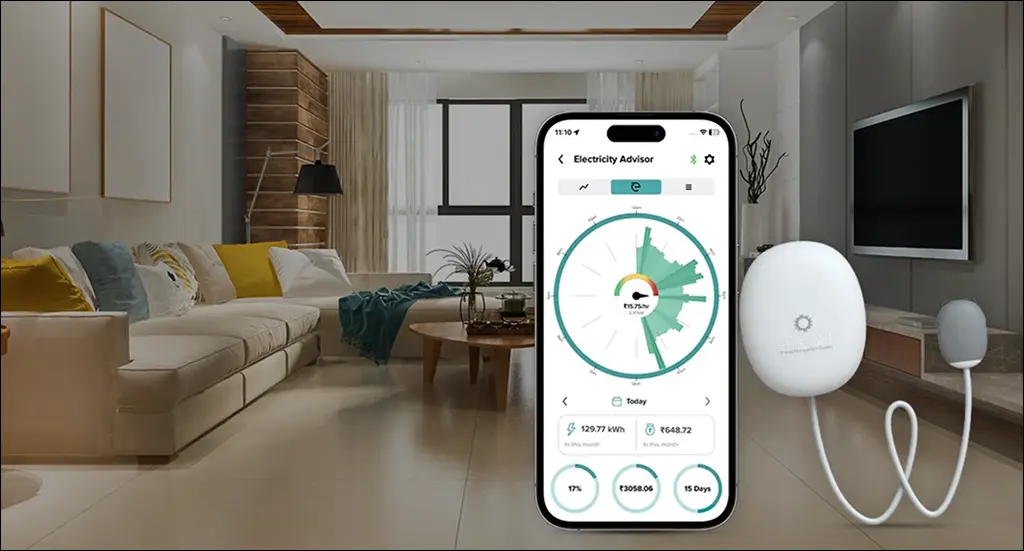
Smart energy management systems provide real-time insights into household electricity consumption. These systems monitor energy usage at appliance-level detail and provide actionable recommendations to reduce waste. As global energy costs rise, this technology plays a vital role in financial and environmental sustainability.
The benefit to humankind is twofold. First, homeowners save money through optimized energy consumption. Second, reduced electricity use lowers carbon emissions, contributing to global climate goals. Smart energy systems empower consumers with transparency, helping them make informed decisions about their energy habits.
Popular products include the Sense Home Energy Monitor, which tracks real-time device usage, the Emporia Vue Energy Monitor, known for detailed circuit-level insights, and the Tesla Powerwall, which stores solar energy for backup power.
When integrated with rooftop solar panels, these systems increase energy independence. During peak pricing hours, stored power can reduce grid reliance. Smart analytics also detect unusual spikes, preventing electrical faults. As sustainability awareness grows worldwide, smart energy management systems are becoming essential tools for efficient and responsible living.
9. Smart Sensors and IoT Devices
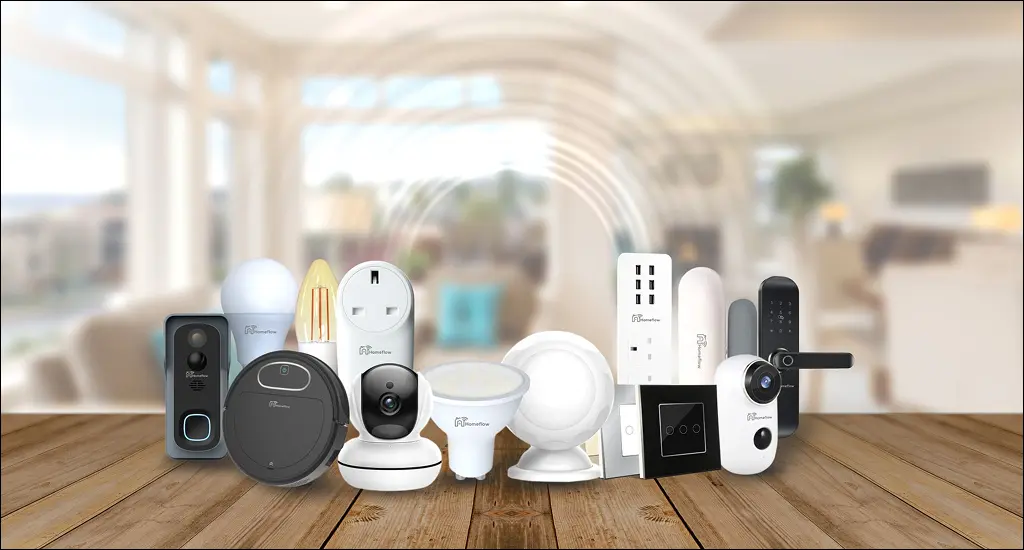
Smart sensors act as the nervous system of modern smart homes. These small yet powerful devices detect motion, temperature changes, smoke, water leaks, and air quality fluctuations. Once triggered, they can automatically activate alarms, lights, or notifications.
The primary benefit is preventive protection. Water leak sensors can stop major property damage by alerting homeowners immediately. Smoke and carbon monoxide detectors save lives through early warning systems. Air quality sensors help families maintain healthier indoor environments by detecting pollutants and humidity levels.
Popular products include the Aqara Water Leak Sensor, the Nest Protect, and the Eve Room Air Quality Monitor.
These devices are affordable and easy to install, making automation accessible to more households. Their wireless design increases flexibility in placement. Integration with smart assistants enhances automation. For example, a motion sensor can trigger lights at night, improving safety. By offering early detection and instant alerts, smart sensors reduce risks, save money, and improve quality of life.
10. Smart Entertainment Systems
Smart entertainment systems integrate televisions, streaming devices, and wireless speakers into a connected home network. These systems deliver personalized content, voice control, and immersive audio experiences.
The key benefit to humankind is enhanced lifestyle quality. Entertainment plays a significant role in relaxation and social bonding. Smart TVs and streaming devices offer AI-driven recommendations tailored to user preferences. Multi-room audio systems create seamless music experiences across the home.
Popular market products include the Samsung QLED Smart TV, known for advanced display technology, the Sonos Era 100, offering high-quality wireless sound, and the Apple TV 4K, which integrates with Apple’s ecosystem.
Voice assistant compatibility simplifies operation. Integration with smart lighting can create cinema-style scenes automatically. Smart entertainment systems also support remote control and parental monitoring features. As digital streaming consumption rises globally, these systems continue gaining popularity. They combine technology, personalization, and comfort to elevate everyday living experiences.

Smart Home Technology Comparison Overview
Smart home technologies differ in purpose, cost, and impact. Understanding these differences helps consumers choose suitable systems. Below is a simplified comparison based on functionality and primary benefits.
| Technology | Main Benefit | Key Popularity Driver | Energy Impact | Security Impact |
| Smart Assistants | Central control | AI convenience | Medium | Medium |
| Smart Security | Safety monitoring | Rising safety concerns | Low | High |
| Smart Thermostats | Energy savings | Lower electricity bills | High | Low |
| Smart Lighting | Customization | Efficiency + mood | High | Medium |
| Smart Locks | Access control | Keyless convenience | Low | High |
| Smart Appliances | Automation | Time-saving features | Medium | Low |
| Smart Hubs | Device integration | Compatibility | Medium | Medium |
| Energy Management | Consumption tracking | Sustainability | High | Low |
| IoT Sensors | Risk detection | Preventive alerts | Medium | High |
| Smart Entertainment | Lifestyle upgrade | Personalization | Low | Low |
Conclusion
Smart home automation is rapidly transforming modern living in 2026. What once felt futuristic is now a practical reality for millions of households. AI-powered smart home devices, energy-efficient systems, and intelligent security solutions are redefining how we experience comfort, safety, and convenience. As technology becomes more affordable and easier to install, adoption continues to grow across both urban and suburban homes.
Moreover, the benefits are clear and measurable. Smart thermostats and energy management systems help homeowners reduce electricity consumption and lower monthly bills. At the same time, advanced security cameras, smart locks, and real-time alerts strengthen home protection and provide peace of mind. In addition, integrated ecosystems allow lighting, climate control, entertainment, and surveillance systems to work together seamlessly. As a result, daily routines become smoother and more efficient.
Equally important, sustainability is driving long-term demand. By optimizing resource usage and reducing energy waste, smart homes contribute to lower carbon emissions. Therefore, they support both financial savings and environmental responsibility. This dual advantage makes smart home technology an attractive investment for forward-thinking homeowners.
Furthermore, as artificial intelligence evolves and connectivity improves, smart homes will become even more predictive and personalized. Devices will anticipate needs instead of simply reacting to commands. Ultimately, investing in smart home automation today is not just about upgrading gadgets. Rather, it is about creating a safer, more efficient, and future-ready living environment that enhances overall quality of life.